How To Prove Adultery In A Divorce: Essential Evidence Tips
According to “Divorce and Family Law” by Chester M. Kane, showing cheating in a divorce needs direct or indirect evidence. And another thing that’s kind of insane, direct evidence includes photos or videos, while indirect evidence can involve text messages, emails, or witness statements of suspicious actions. Hotel bills and private investigator reports might also support claims. It’s very important to gather reliable, believable evidence to meet the court’s level of proof.
As most would guess, marriage is special, and cheating can really mess things up. To prove it in a divorce, you need clear proof, but gathering evidence is tough, which kinda proves the point that it’s not just about the facts; it’s about dealing with the feelings and fears too. Have you ever felt unsure when you suspect someone’s cheating? You want to know for sure before acting, especially with fear of being hurt or wanting to keep your family okay, which could be the result of it’s tough because you want peace, but digging for truth can get messy or stressful. Knowing how to handle this is key. You need to be smart about collecting proof if you’re in this tricky spot. As an expert paralegal, I’m Elizabeth Burnley, and today I’ll share some easy tips to help you manage everything calmly.
Key Pointers
- Important evidence to show cheating in a divorce includes text messages, emails, photos, and statements from witnesses.
- Hotel receipts and reports from private detectives can also be helpful.
- The book “Family Law: Text, Cases, and Materials” by Susan Harris-Short says that evidence has to be believable to prove cheating.
- It’s important to gather evidence that can be used in court, keep it safe, and make sure it’s collected in a legal way to make a strong case.
What types of evidence are most effective in proving adultery?
Why hire a detective when a lipstick stain and a suspiciously empty cookie jar tell the whole tale?
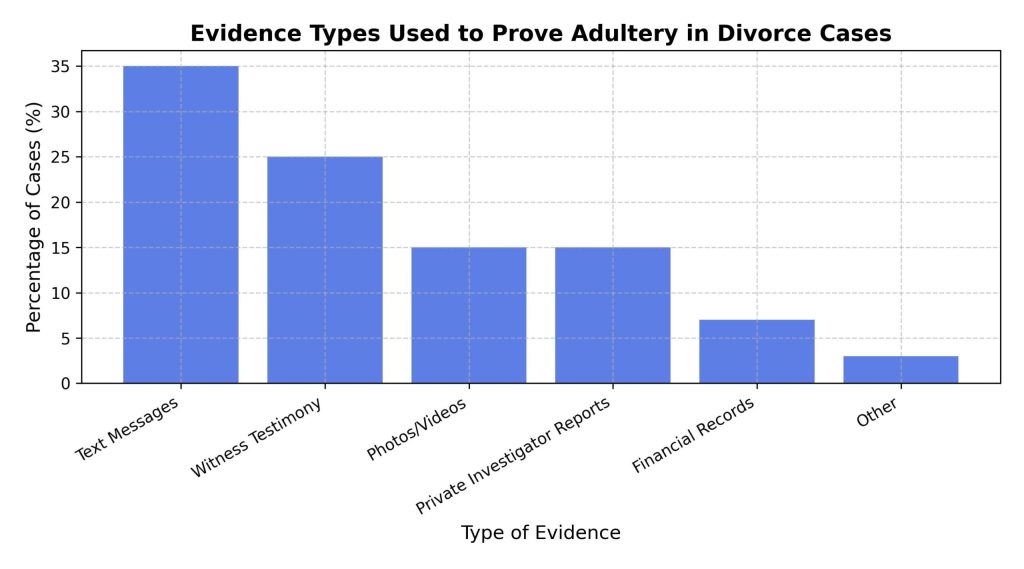
According to law studies, text messages, emails, and witness stories are most effective in proving cheating. Photos or videos showing the affair can also be very important. Something else that hit me hard is, financial records showing unexplained spending are extra evidence often used in court cases.
On the internet, discussions about the most effective types of evidence in proving adultery are quite common. Many forums, blogs, and legal advice websites offer ideas and opinions on this topic from various views. Here are a few direct quotes from different sources:
According to WikiHow “Text messages, emails, and photos can be strong pieces of evidence if they show your spouse engaging in an intimate relationship with someone else.” They highlight the importance of capturing direct communication that indicates an affair.
As stated on DivorceNet, “Professional investigators are often hired to provide concrete evidence such as photographs or video footage, which can be very persuasive in court.” This highlights the role of expert documentation in legal proceedings.
A user on Reddit’s r/Divorce community mentions, “Witness testimony, such as that from friends or colleagues, can also play a very important role if they have observed suspicious behavior.” Personal accounts from third parties add another layer of credibility to the allegations.
How can technology be utilized to gather evidence of infidelity?
Tools like phone trackers can gather proof of cheating by logging calls, texts, and social media use, which helps confirm or deny doubts. This was first brought up by me at the start, but lets take a look at how can technology be utilized to gather evidence of infidelity? with more detail here. While it’s tempting to use these tools when suspicion creeps in, one should weigh the moral and trust issues that come with spying in a relationship, which made me want to bring it up.
According to Encyclopaedia Britannica, technology can be used to gather proof of cheating through various ways. These include:
- Using GPS tracking devices to check where a partner goes. And the thing that makes this even crazier is,
- Installing spyware on gadgets to read text messages and emails.
- Using keyloggers to record keyboard activity on computers.
Might this change how we think? Technology is playing a big role in spotting signs of cheating. People are saying it is helping find hidden texts or unusual online activities.

Struggling with proving adultery in your divorce case? https://edivorcepapers.com simplifies the process with easy access to the necessary documents and guidance to ensure a smooth divorce. Get peace of mind with a complete, step-by-step service that provides everything you need to file for divorce from home.
Let’s try to shift our view about how can technology be utilized to gather evidence of infidelity? right now and see where it takes us. Many people might feel that using tech like phone apps or hidden cameras is a good way to find a cheating partner. But, talking openly and building trust might work better than sneaking around. Tech should be used with care, as it can hurt trust and might even break some privacy rules, truthfully.
What legal and ethical considerations should be taken into account when collecting evidence?
As mentioned by advice from groups like the American Bar Association and educational sources, gathering evidence involves legal and moral considerations to ensure fairness and respect rights. Key considerations include:
- getting evidence legally with proper permits to protect privacy,
- making sure the evidence is relevant and trustworthy to keep honesty, and
- avoiding any altering or pressure to respect the rights of those involved.
And the part that actually surprised me the most, following these rules helps maintain justice and ethical standards.
When gathering proof, make sure it’s collected legally. Get necessary approvals or court orders, respecting privacy rights. Protect the evidence chain to keep it unchanged and unharmed. Always follow best methods and professional advice to avoid legal problems and maintain moral standards.
Summing it All Up
Proving cheating in a divorce requires gathering enough strong evidence that confirms the unfaithfulness. Despite the difficulties involved, staying focused and organized can lead to a positive outcome and allow you to move forward with confidence. To strengthen your case, consider consulting with a lawyer who can help in collecting and presenting evidence effectively. For further guidance on going through the different problems that may come up in divorce, you may want to look at our article on understanding your legal rights and choices during the divorce process.