
Complete Guide To Filing for a Divorce Online in Vermont
Divorce, an unfortunate occurrence, frequently materializes despite optimistic aspirations. Nevertheless, navigating this distressing path is undeniably challenging. Yet, residing in Vermont offers a solution through an easily accessible online uncontested divorce process. By being a Vermont resident, you can conveniently acquire the required legal dissolution online. This streamlined procedure provides a simplified approach to alleviate the complexities associated with divorce, ensuring a swift resolution for those involved. Divorce, though undesirable, need not entail arduous proceedings when utilizing the accessible online platform offered to Vermont residents.
What Is a Vermont Online Divorce?
Vermont online divorce refers to a service that assists in the preparation of essential paperwork for uncontested divorces where both partners mutually agree on the terms. The intention is to provide a straightforward and cost-effective method for divorcing without involving legal representatives. Through a guided series of questions, online divorce services help individuals compile the necessary documents at their own convenience. It is important to note that these documents must still be formally filed with a court, and the customary legal procedures must be followed to complete the divorce. Once sanctioned and concluded by a court, a divorce conclusively terminates a marital union.
What Is Included in Vermont Online Divorce?
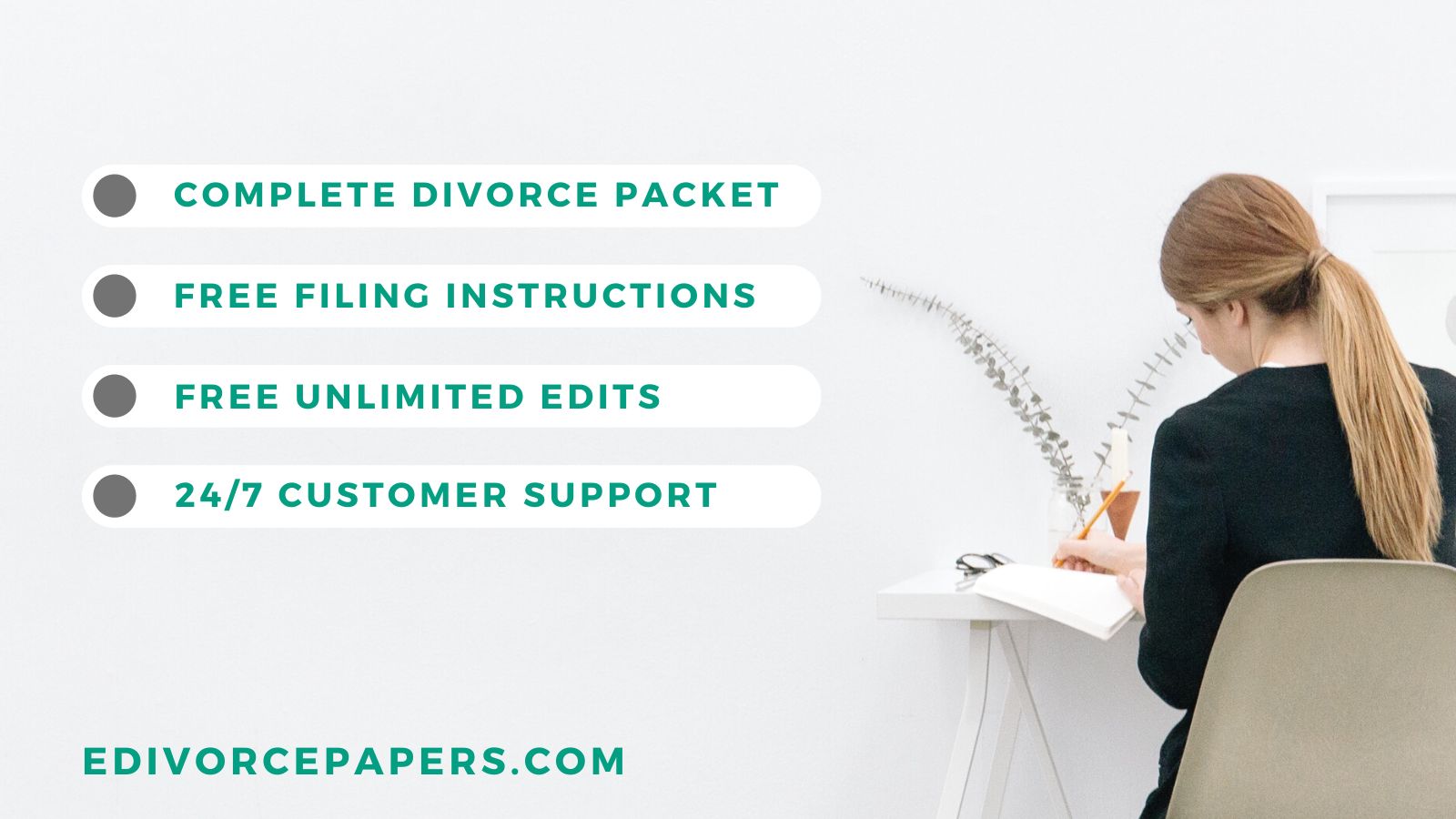
Vermont Online Divorce offers an extensive array of documents and resources to cater to various divorce cases, including those with or without children. They provide a complete divorce packet that addresses all the necessary legalities. They provide easy step-by-step instructions on filing for divorce yourself without a lawyer. Vermont Online Divorce offers customer support at all times to help guide you through the divorce process.
We Can Help!
Experience a hassle-free divorce with our online service. Our process is simple and convenient. Answer straightforward questions online, and we’ll prepare your divorce documents. Save time, stress, and legal fees. Perfect for spouses seeking an amicable divorce. Take control of your future today – start the paperwork with ease.
Is Vermont Online Divorce Legit?
Online divorce is legal in Vermont and just as valid as going to court in person. Online divorce services provide an affordable option if you can’t hire or don’t want to hire a lawyer. They help you prepare the required forms to file with the court in your county. You can file the forms yourself or have the online service file the divorce paperwork electronically.
Should I Use Online Divorce Services?
Online divorce services in Vermont can work well if you and your spouse agree on the divorce terms and how to divide assets. They are much cheaper than hiring a lawyer. However, if you disagree on child custody or dividing property, it’s best to get legal help from a professional. Online services make the divorce process convenient, but you should consult a lawyer for complex issues that come up.
How to File for Divorce Online in Vermont?
The key steps to start an online divorce in Vermont:
- Go to a reputable online divorce service website for Vermont and create an account.
- Complete their online questionnaire truthfully about your marriage details like spouse’s info, marriage date, children etc.
- Pay the service fee to have your divorce documents prepared.
- The service will provide the completed documents like the divorce petition.
- Follow their instructions on filing the documents with the appropriate court.
- Properly notify/serve your spouse about the divorce filing.
- If your spouse agrees, the process can move forward. If they contest, further legal steps may be needed.
- Communicate with the online service throughout if you have any questions.
The main steps are setting up an account, providing info, paying fees, obtaining completed documents, filing with court, notifying spouse, and following up as needed.
Benefits of Vermont Online Divorce Services
Using an online divorce service in Vermont has several advantages. It’s convenient since you can complete all the required documents online, saving time and effort. It’s also cost-effective and usually more affordable than traditional divorce processes. The online services provide support and guidance to ensure you meet all legal requirements. Overall, an online divorce service in Vermont can simplify the process, making it efficient and less stressful.
Disadvantages of Vermont Online Divorce Services
Using an online divorce service in Vermont may have disadvantages such as limited legal advice and guidance, potential errors in the legal process due to lack of professional assistance, and difficulty in addressing complex issues without personalized support.
Who Qualifies for an Online Divorce in Vermont?
Any married couple who wants to end their marriage in an amicable and uncontested manner without any custody disputes, financial disagreements, or significant assets or debts can qualify for an online divorce in Vermont.
How Much Would Online Divorce Cost?
The cost of online divorce in Vermont is typically around $139, which covers the average price for online divorce services. Additionally, court filing fees can cost an average of $90, resulting in a total expense of approximately $229.
How Long Does an Online Divorce Take in Vermont?
The timeframe for an online divorce in Vermont varies, but it generally takes about 6 to 8 weeks. The waiting period is 90 days, which means that the divorce cannot be finalized until after this period has passed. However, the process can be shorter or longer depending on the complexity of the case and the cooperation of both parties. It is essential to follow all necessary steps and provide accurate information to expedite the process.
Start Your Uncontested Divorce Vermont Online
Getting divorced in Vermont? Want an easy way to prepare the legal forms? Try our online divorce service. Just answer some simple questions online, and our team will quickly prepare all your divorce documents for you. We make amicable divorces stress-free and smooth for spouses. Let us guide you through this difficult process the easy way.
Simplify Your Divorce