Uncontested Divorce in South Carolina: Simple, Fast & Affordable
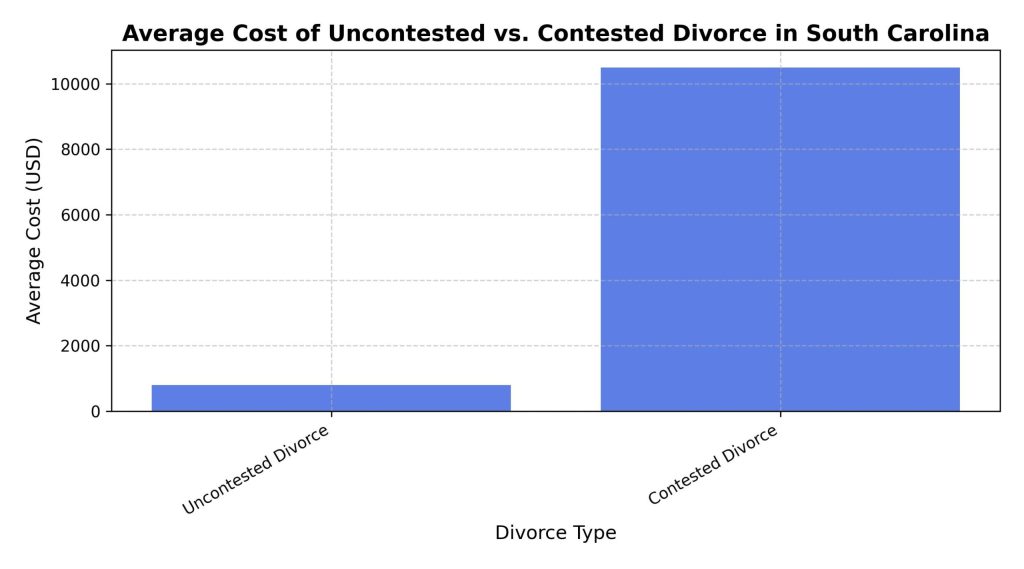
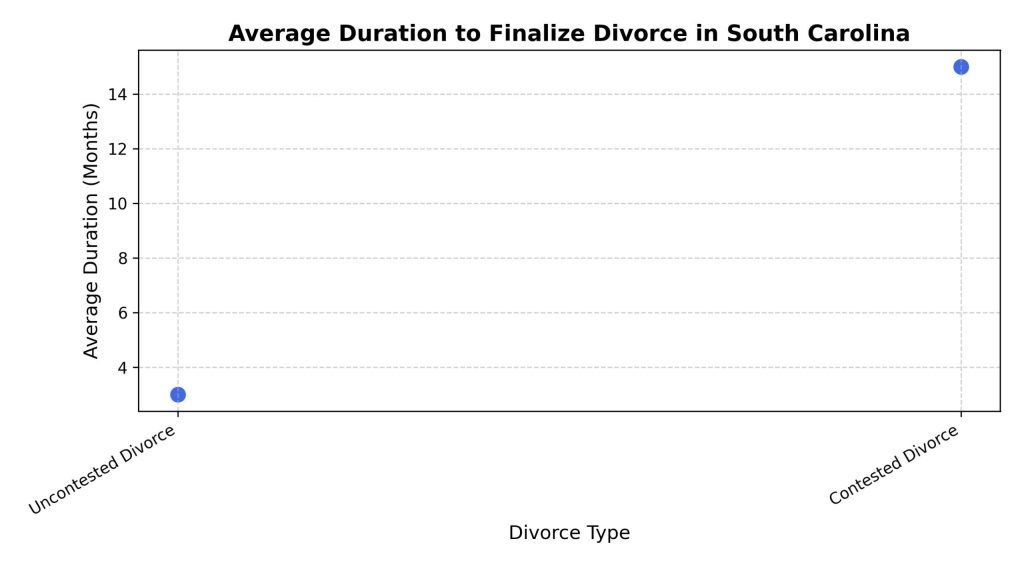
An uncontested divorce in South Carolina is usually easy, quick, and cheap because both spouses agree on everything, like belongings and child care. According to “South Carolina Family Law” by Gary S. the process usually involves filing a request, delivering documents, and going to a short court meeting. Without disagreements, the divorce can be completed in as little as three months, cutting both time and legal fees a lot.
If we’re being honest, many people think divorce is long and costly, so they choose uncontested divorce. It’s quicker and cheaper, especially in South Carolina, and that sorta tells the story but divorce can still be tough on your emotions even when it’s simple. This side isn’t talked about much. You might want an uncontested divorce to keep things calm for co-parenting. Maybe you’re tired after years of arguing and want to settle fast, which could be due to or, you could be looking to save money since it’s less expensive. But going for speed and cost might ignore your emotional needs. If you’re considering an uncontested divorce in South Carolina, think about your reasons. Make sure you’ve thought it through so you’re doing what’s best for you. Hello, I’m Elizabeth Burnley, a paralegal, and today I’ll share my skill on how every situation is unique and why it’s important to carefully consider your choices.
Key Pointers
- An uncontested divorce in South Carolina is easy, quick, and inexpensive if both partners agree on terms, have no kids, and have lived separately for one year.
- The process involves filing a form, attending a short hearing, and following legal rules.
- Uncontested divorces make the process faster and cheaper, allowing couples to find a speedy solution.
What Makes an Uncontested Divorce Simple in South Carolina?
In South Carolina, an uncontested divorce is as simple as agreeing on everything with your soon-to-be ex – otherwise, it’s like trying to teach a cat to fetch!
In South Carolina, according to state law, an uncontested divorce is easier when both partners agree on all matters like dividing property and child custody. No disagreements mean faster processes and less court involvement. And honestly, this part is crazy, this reduces stress, time, and attorney fees.

Here is what people usually say on the internet about what makes an uncontested divorce simple in South Carolina from various sources:
“An uncontested divorce in South Carolina is typically straightforward because both parties agree on all major issues, such as property division, child custody, and support.” – from a blog on LegalZoom.
“In South Carolina, uncontested divorces are simpler because they don’t require court battles or lengthy negotiations, which significantly speeds up the process.” – as noted on the South Carolina Bar website.
“The simplicity of an uncontested divorce lies in the mutual agreement. When both spouses are on the same page, it eliminates the need for court intervention and reduces legal costs.” – a discussion note from the r/Divorce.
How Can You Expedite the Uncontested Divorce Process in South Carolina?
To speed up the easy divorce process in South Carolina, get all needed papers, make sure both sides agree on things like splitting assets and child support, and think about using a helper or online service to make the steps simple. I said this before, but now let’s break down the how can you expedite the uncontested divorce process in south carolina? a little more right now. It’s normal to seek a quick end to cut down on stress and costs, and a faster process can give you calm and let you both move on with your lives sooner, so I figured it was a good time to talk about it.
According to the South Carolina Judicial Department, to speed up an uncontested divorce in South Carolina, consider these steps. Collect all required documents, such as financial statements and settlement agreements. And the part no one really talks about is, agree on all divorce terms with your spouse. Complete and file the necessary court forms correctly. Fourth, ensure proper delivery of documents to your spouse. Fifth, schedule a court hearing quickly, providing proof of separation for one year. By following these steps, the process can be more efficient and less time-consuming, leading to a fast resolution.
What if this means something big? People are often saying that if you are looking for ways to speed up a simple divorce in South Carolina, you are getting your papers ready on time and agreeing on terms with your spouse. You are seeing how these steps make the process smoother and faster, noticing that staying organized and avoiding conflict is usually what helps most people.
For those considering an uncontested divorce in South Carolina, https://edivorcepapers.com offers a simple, fast, and affordable solution. This online service helps you complete and file divorce papers without the stress and high costs of hiring a lawyer. It provides user-friendly guidance and support to ensure your divorce process is as smooth and straightforward as possible.
Lets check the how can you expedite the uncontested divorce process in south carolina? problem from the other side and see if there is anything new. Some people say you can make a no-fault divorce in South Carolina faster by sending in the right papers fast, but it might not be that simple. Getting a lawyer who knows the ropes might help things go quicker. Just watch out because moving too fast could mean you miss key details that might matter later, in fact.
Why Is an Uncontested Divorce an Affordable Option in South Carolina?
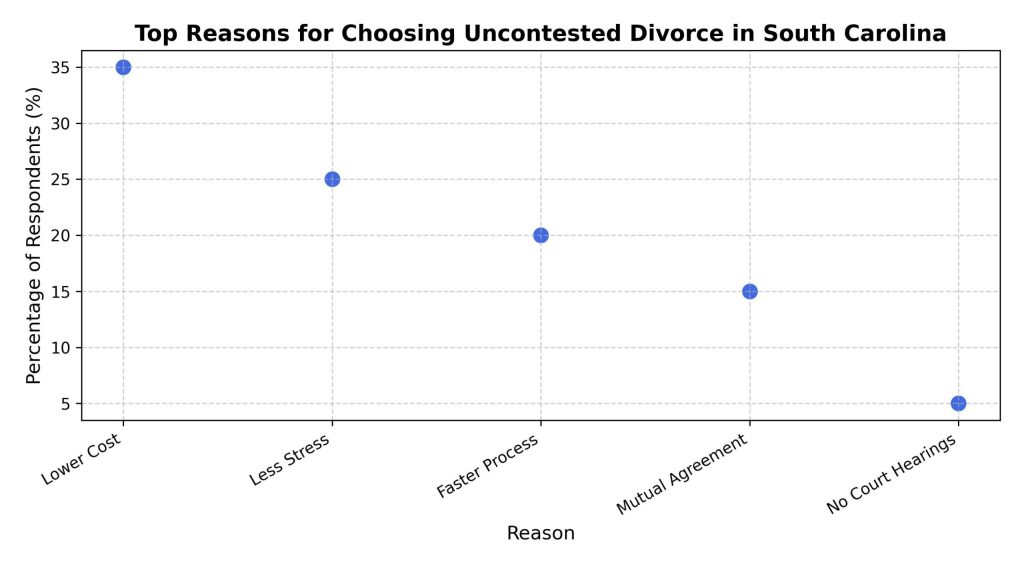
According to the South Carolina Judicial Department, an uncontested divorce is a budget-friendly option in South Carolina for several reasons. Both partners agree on all major issues, cutting down the need for long legal processes. You’d think that’s all, but, it removes the need for many court hearings, which reduces legal fees and court costs. It often needs less lawyer involvement, which further cuts expenses. These reasons make an uncontested divorce an economical choice for couples wanting to separate financially efficiently in South Carolina:
In South Carolina, a divorce where both sides agree is cheap because it skips long court fights. Couples decide on things like belongings and child care, lowering lawyer and court costs. Experts suggest this choice for its ease and money-saving benefits.
In the End
Uncontested divorce in South Carolina offers a simple, quick, and affordable way for couples to separate peacefully. It provides hope for those wanting an easier move through a tough time, ensuring both sides can go on without the worry of long court fights. For those thinking about this option, talking to a family lawyer can give clear advice and help, making sure all rules are followed smoothly. As a next step, think about looking into extra information on life after divorce, like co-parenting methods or money management tips, to help handle life after divorce.